
Microneedling vs chemical peel
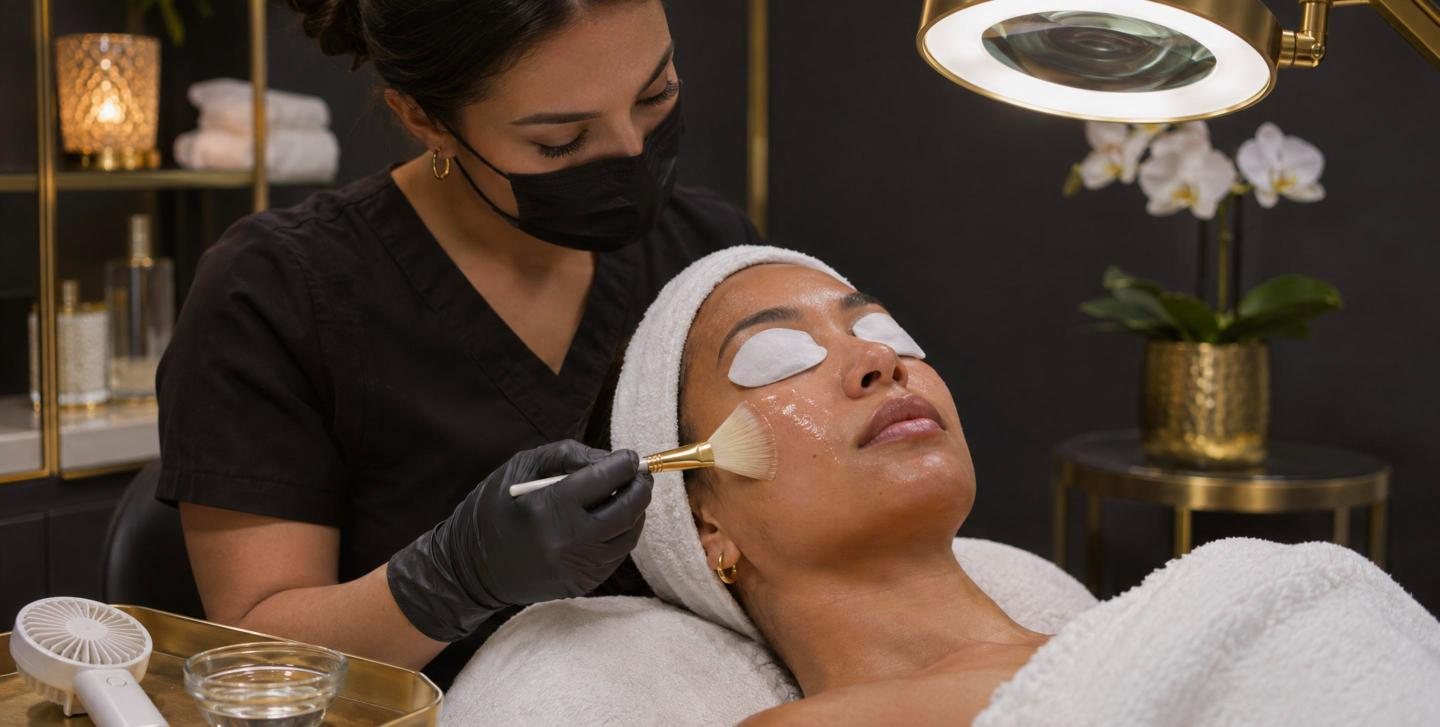 AI simulation
Updated November 18, 2026 · Written by the MedSpa Blueprint team
The short answer
Both treatments aim to improve skin texture and tone, but they work differently. Microneedling uses fine needles to prompt the skin to make new collagen. A chemical peel uses a solution applied to the skin that causes the outer layers to shed. Which suits you depends on your concern, your skin and how much downtime you can plan for, so a licensed professional is the best person to advise.
Side by side
| Aspect | Microneedling | Chemical peel |
|---|---|---|
| How it works | Fine needles create tiny punctures that prompt new collagen | A solution causes the outer skin layers to shed |
| Depth options | Pen, roller or radiofrequency devices | Light, medium-depth or deep |
| What to expect after | Redness or darker patches, sunburn-like feeling or swelling, usually settling in a few days to a week | Redness, then scaling within 3–7 days; medium and deep peels can blister and peel over 7–14 days |
| How often | For acne scars, the AAD mentions 3–5 sessions, 2–4 weeks apart | Light peels every 1–4 weeks; medium-depth peels every 6–12 months |
| Sun care | Avoid treating over a recent tan or sunburn | Avoid sun exposure for several months afterwards |
How to choose
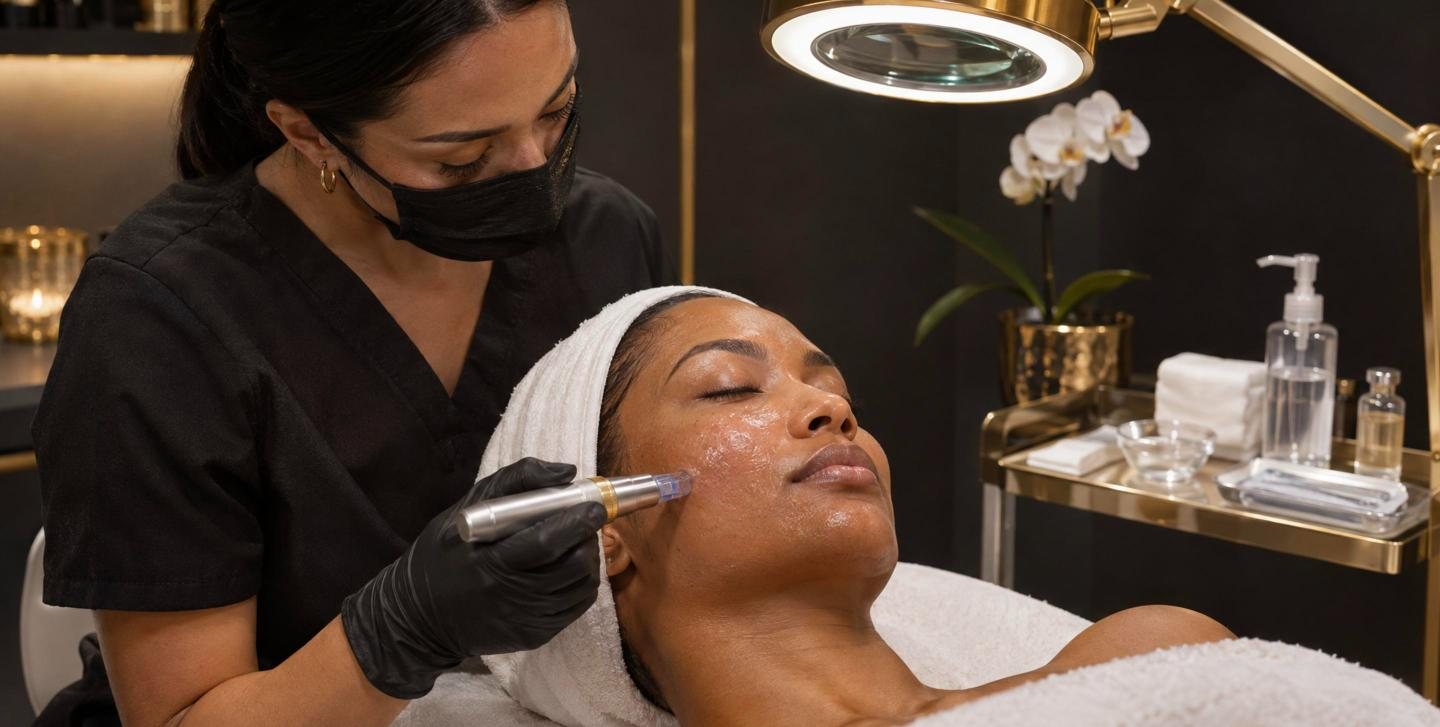
 AI simulation
Think about the concern you want to address, how much downtime you can plan for, and your skin's history (for example, how it heals or whether it tends to darken after irritation). A licensed professional can examine your skin and recommend one, the other, or a plan that spaces them out.
Frequently asked questions
Sources
Related resources
Newsletter
Get new resources by email
We'll only email you about MedSpa Blueprint resources. Unsubscribe any time.
Educational, not medical advice. A licensed professional can tell you what's right for your skin.